
The Quiet Travel Trend: Why More Travelers Are Seeking Silence Retreats and Off-Grid Experiences
December 31, 2025
By Cassie Drumm
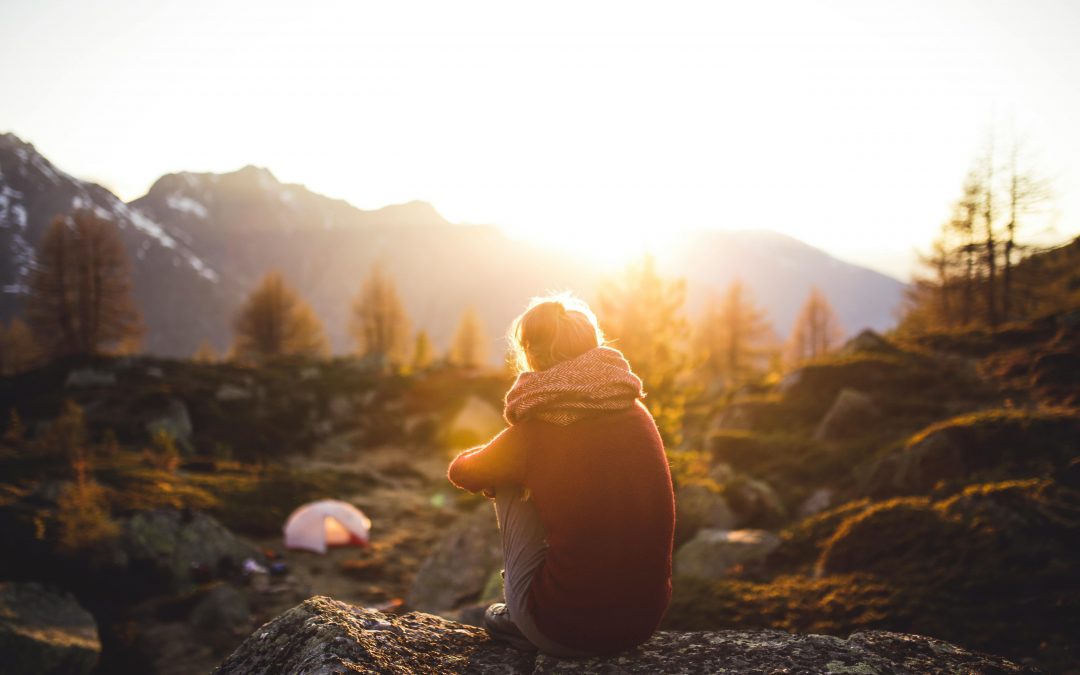
Travel used to be about seeing and doing as much as possible. But as stress levels rise globally and digital noise consumes more of daily life, a counter-movement is emerging: quiet travel. This trend isn’t defined by destinations but by intention. Travelers are seeking silence, stillness and sensory simplicity, often in the form of silent retreats, remote lodges, off-grid cabins or meditation-focused getaways.
Quiet travel isn’t just a niche wellness fad. It speaks to a growing need for travelers to reclaim attention, reduce mental overload and disconnect from the constant hum of modern life.
Why We’re Craving Quiet
In an era of nonstop notifications, 24/7 connectivity and multitasking, the brain has fewer opportunities to truly rest. Mental fatigue accumulates quietly and can manifest as irritability, anxiety, insomnia or burnout.
Silence, however, has documented cognitive and emotional benefits. Studies show that quiet time can improve memory, reduce stress hormone levels, and even promote neurogenesis in parts of the brain associated with learning. When paired with nature exposure, the effects are amplified.
What Quiet Travel Looks Like
Quiet travel can take many forms, from structured programs to independent escapes:
- Silent retreats often include meditation, mindful eating, nature walks and supportive community
- Off-grid cabins provide access to natural environments without wi-fi or digital interruptions
- Monastery stays offer reflective environments where visitors can adopt simple routines and engage with centuries-old traditions of contemplation
- Wellness lodges blend comfort with quiet design, such as soundproofing, tech-free zones and intentionally slow-paced schedules
The common thread is an environment designed to minimize distraction and maximize presence.
The Health Benefits of Quiet Travel
- Reduced stress: Silence helps regulate cortisol and calms the nervous system, which is often overstimulated by constant digital input
- Improved sleep: Without screens and noise pollution, sleep depth and quality often improve dramatically
- Mental clarity: Travelers report increased focus, sharper thinking and creative breakthroughs after stepping back from overstimulation
- Enhanced emotional regulation: Quiet travel helps people reconnect with internal cues, like hunger, fatigue or boundaries, that are easy to ignore in daily life
- Stronger mind–body awareness: Many quiet retreats pair silence with gentle movement or mindful eating, deepening the connection between physical and emotional well-being
Why Quiet Spaces Feel So Luxurious
What once seemed extreme—turning off the phone, limiting conversation, spending hours in nature—now feels like a luxury. As digital life accelerates, carving out silence has become a wellness investment, akin to spa treatments or fitness programs.
Travel brands are taking notice. More hotels are offering digital detox packages and dedicated quiet zones; some wellness resorts are building soundproof meditation rooms; others are designing itineraries focused on solitude, slowness and intentional rest.
How to Try Quiet Travel
You don’t need to commit to a full silent retreat to benefit. Try:
- Turning off notifications for the duration of a trip
- Staying somewhere remote or sound-insulated
- Scheduling “quiet hours” each morning or evening
- Walking or hiking alone without headphones
- Eating one meal per day in silence to slow down and savor
Quiet is a practice, and like all practices, it becomes easier with repetition.
As travelers continue prioritizing mental health, quiet experiences will likely expand across the wellness landscape. Whether through moments of stillness on a solo hike or weeks spent off-grid, the invitation is the same: step back from noise, reconnect with yourself and let silence do its restorative work.


Sign up to get new posts from Healthy Travel Blog directly in your inbox!
About the Author

Cassie Drumm
Cassie is a healthy travel enthusiast and writer at Scribewise who resides in Philadelphia. Her favorite places to travel are anywhere she can be outside, bring her dog, and eat delicious vegan food.