
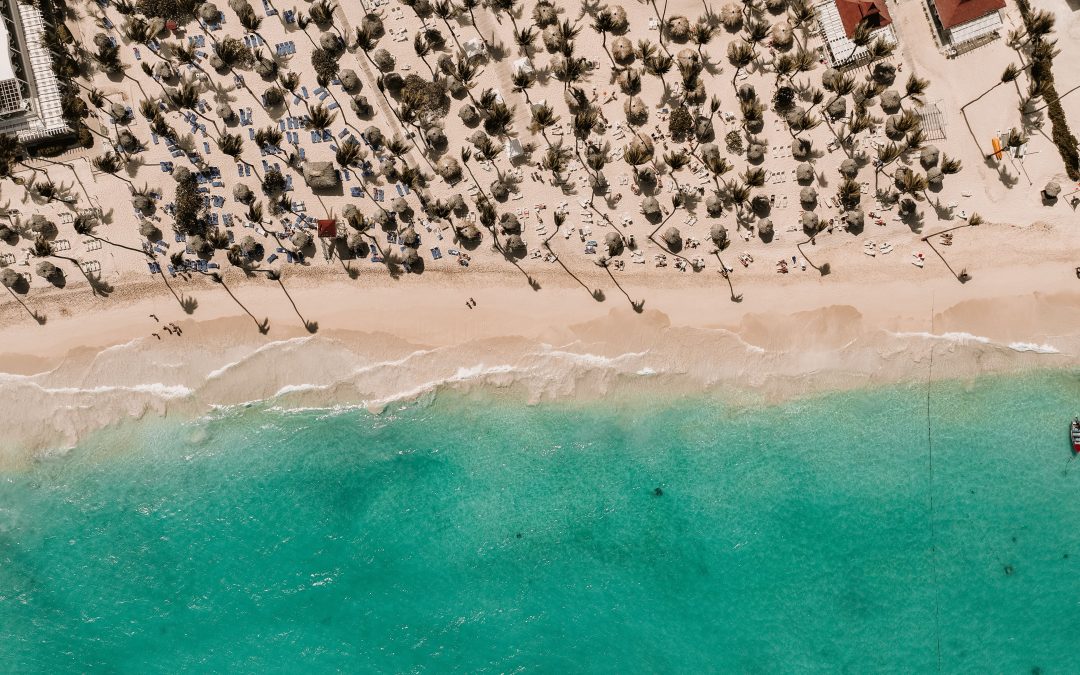
Where’s My Mofongo? The Best Vegetarian Eats in Puerto Rico
April 23, 2026
By Amritha Alladi Joseph
Like the African, Taíno, and Spanish cultures that shaped the history and music of Puerto Rico, so too have they shaped the island’s cuisine. Cocina criolla, or the food of Puerto Rico, is defined by the way it blends African cooking techniques with Taíno ingredients and vibrant Spanish seasoning, as noted by Coconuts and Collards cookbook author Von Diaz. Though its azure seas are teeming with snapper, its mangroves crawling with blue crab, and farmlands rampant with hogs—ingredients that have made their way onto Puerto Rican plates—vegetarians need not worry. The same land traversed by the “Pork Highway” is also blessed with indigenous root vegetables, squash and plantains, which are staples in many local dishes. Plus, the island’s vibrant dining scene has garnered the attention of the James Beard Foundation, boasting a growing variety of eateries that cater to the evolving tastes of patrons, starting with visitors to San Juan.
Farm-to-fork
The colorful building of Caficultura is hard to miss. The popular brunch spot was established in 2009, and, per its origin story, the restaurant’s name pays tribute to both the culture of cultivating coffee and the atmosphere created in spaces where a cup of coffee is served. Its mission: to connect growers with consumers, and it extends this philosophy into its kitchen, too, where produce is sourced according to the harvest season.
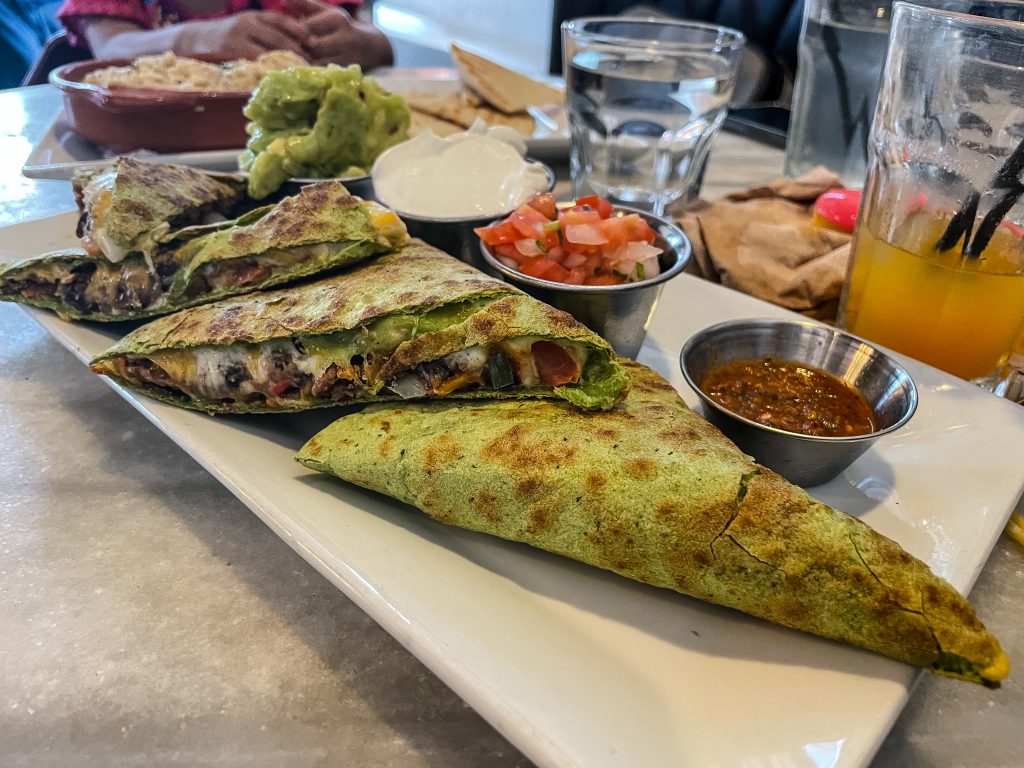
The ooey-gooey vegetarian quesadilla with black beans, along with the roasted veggie and hummus platter with warm naan I ordered, made for a sumptuous meal to share. It kept us fueled for a full day of sightseeing through the cobbled streets of Old Town. A lighter but flavorful, fiber-rich option is the quinoa bowl sauteed with garlic, onions and peppers, topped with a soft egg (optional) and drizzled with paprika. The dish hints at sofrito, the definitive Puerto Rican paste used in many local dishes, in which garlic, onion and cilantro are the star ingredients. Diners can wash it all down with a freshly squeezed juice, the fruit for which is sourced directly from island suppliers, according to assistant manager Camele Roldan.
Traditional favorites in the forest
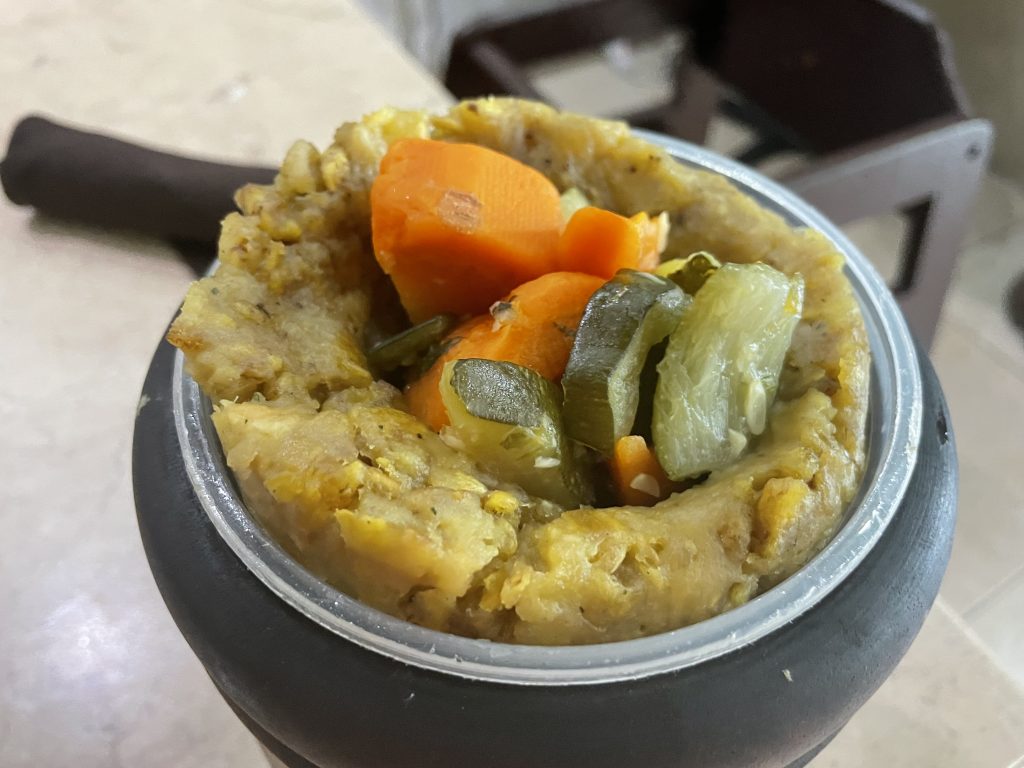
Perhaps one of the best opportunities to try a plant-based take on traditional island favorites is just outside the El Yunque National Forest at the El Yunque Rainforest Cafe. This casual establishment is a perfect stop after you’ve explored the park for the day. Mofongo, a dish made of mashed green plantain and rolled into a ball, is typically served in an animal broth and cooked with crisp pork skins. It originates from the African fufu, boiled plantain pounded into a soft pulp in a mortar and pestle, according to Smithsonian Magazine. However, El Yunque’s vegan version incorporates tender calabaza (zucchini) and carrots. The restaurant also serves vegan versions of empanadas, fried savory pastries with a filling, and alcapurrias, a deep-fried fritter made from a dough of grated green bananas, taro root or plantains, and filled with a sofrito mixture. Deep frying was picked up as a cooking method from enslaved people brought from Africa to the island by the Spanish. However, if you’re looking to avoid deep-fried dishes, opt for the restaurant’s hearty plantain soup that delivers similar flavors with less oil.
Spanish influence in the south
Venture to Ponce in the south of the island to experience authentic Spanish dishes against a glamorous Art Deco backdrop.
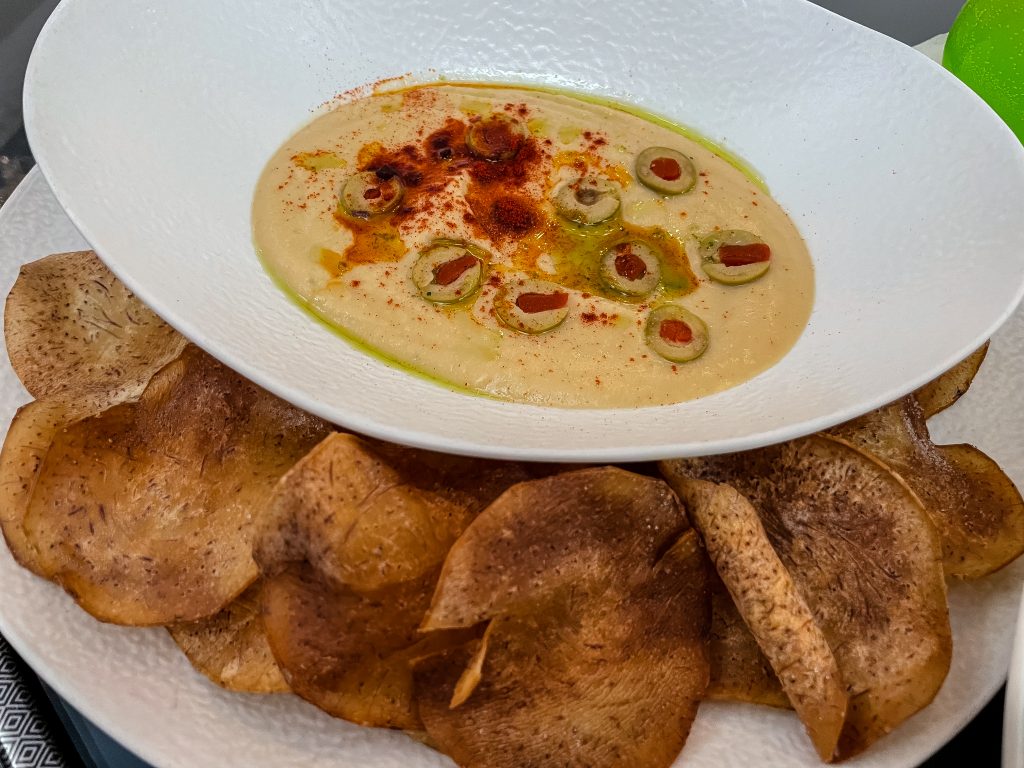
At the Baleares restaurant, luxurious decor meets a menu of straightforward flavors. Situated in the oldest continuously operating hotel on the island, the Melia Century Hotel, the restaurant shimmers with crystal chandeliers twinkling overhead. The menu here is inspired by a fusion of Mediterranean and Latin flavors, as the Spanish introduced rice, pork, garlic, and olive oil into local cuisine, according to Familia Kitchen. At Baleares, vegetarians can try the hummus with pimiento olives and a no-fuss gazpacho (served as a light and creamy avocado puree rather than a cold soup) to start. The vegan paella replaces typical seafood with bright peppers and asparagus. The entree is a must for anyone looking for a filling, meat-free portion with subtle flavors.
Cacao restored
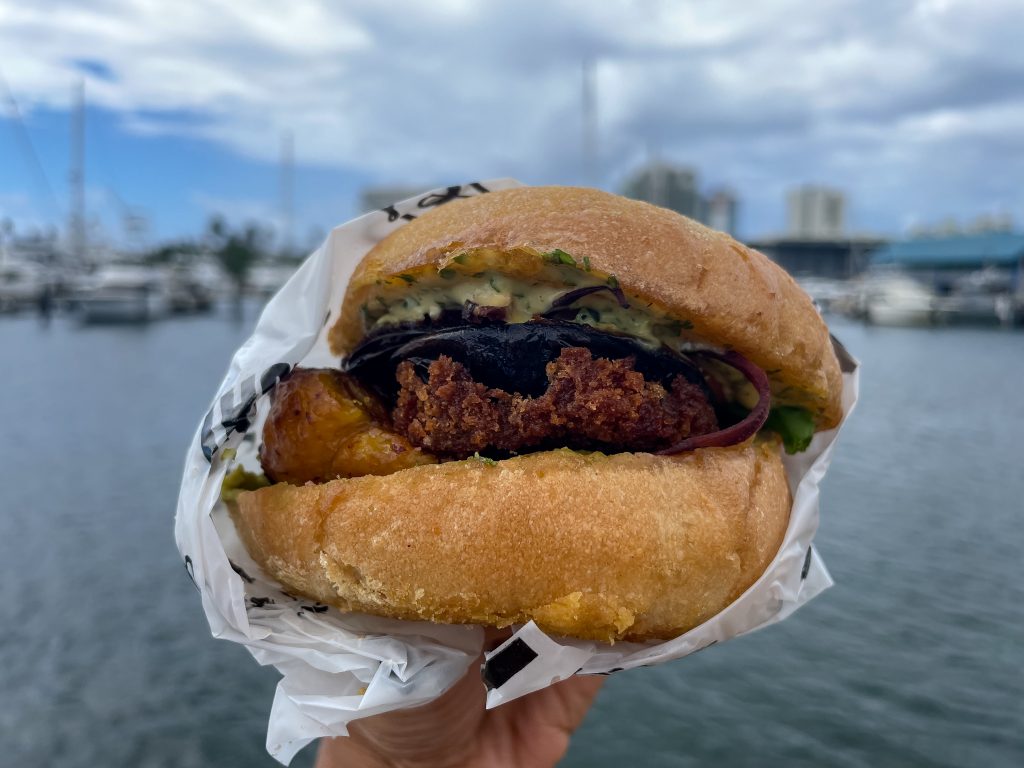
No trip to the Caribbean is complete without a taste of cacao, once a thriving crop in Puerto Rico and now experiencing a resurgence, according to a 2017 NPR report on the crop’s revival. For centuries, the crop had been ravaged by hurricanes, but finally, high-yield cacao crops are flourishing on the island, thanks to strategic initiatives by the U.S. Department of Agriculture in partnership with local farmers, as Eduardo Cortes, vice president of operations for Cortes Hermanos, writes in the Harvard Review of Latin America.
As the largest processor of cacao in the Caribbean, the Cortes family-owned business also operates Chocobar Cortes cafes in Old Town and Condado. Whether sweet or savory, each recipe incorporates chocolate, from the crunchy chickpea and bean salad dressed in chocolate vinaigrette, to the rich fried eggplant sandwich that I had, with chocolate guacamole, cilantro mayo and crisp beet slaw on sourdough bread.
Regardless of which part of the island you’re exploring, meat-free dining options are available, ready to showcase the diverse traditions that influenced how Puerto Ricans prepare, experience, and share meals today.
Other vegan and vegetarian restaurants, suggested by Discover Puerto Rico:


Sign up to get new posts from Healthy Travel Blog directly in your inbox!
About the Author

Amritha Alladi Joseph
Amritha Alladi Joseph is an Atlanta-based writer offering travel, dining, and healthy recipe guides for vegetarians who love to vacation. Join her for the journeys at joinmeintransit.com or on Instagram @amritha.in.transit.