
What Living with Locals in Italy Taught Me About Slowing Down and Eating Well
July 31, 2026
By Lee Lynch
Yesterday, we hosted family for dinner, which we do often enough that it barely registers as an event anymore. But this time, my teenagers sat with us. They lingered. They laughed and contributed to the conversation. Somewhere between the time we sat down and the time the plates were cleared, we had what I can only describe as a moment—the kind you can’t schedule or force and needs enough unhurried time in the room to take root and grow.
I recognized it because it felt different than our typical family-dropping-by-to-eat night, because I’d watched it happen over and over just weeks earlier, on a trip to Italy that took our family through Le Marche to visit a relative, and Assisi and Sicily to see new friends.
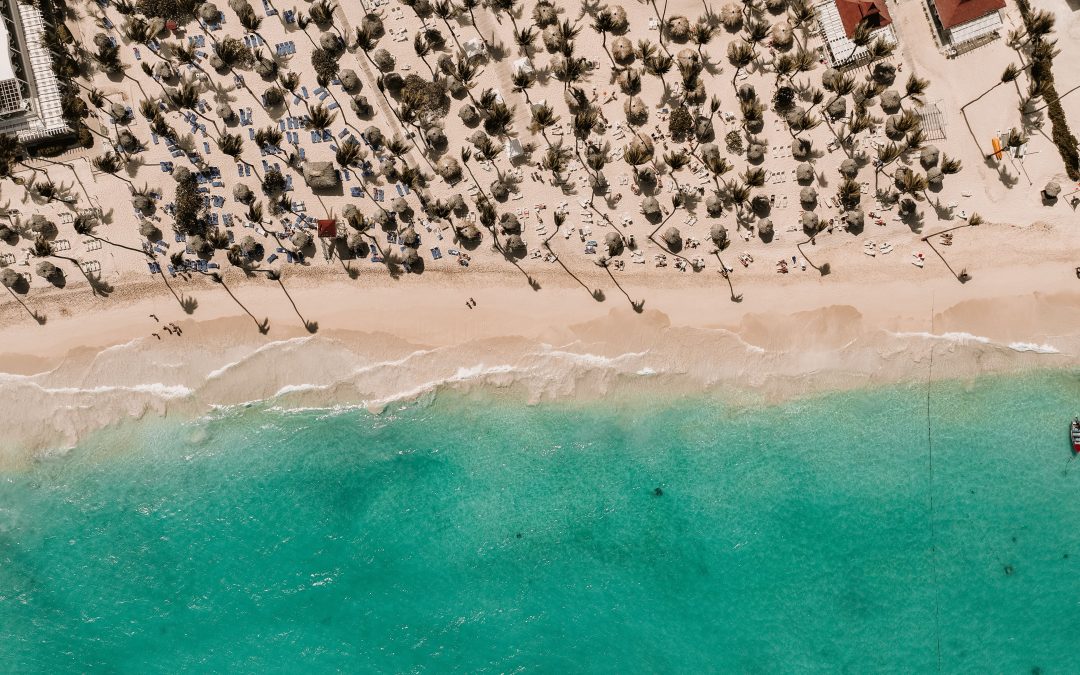
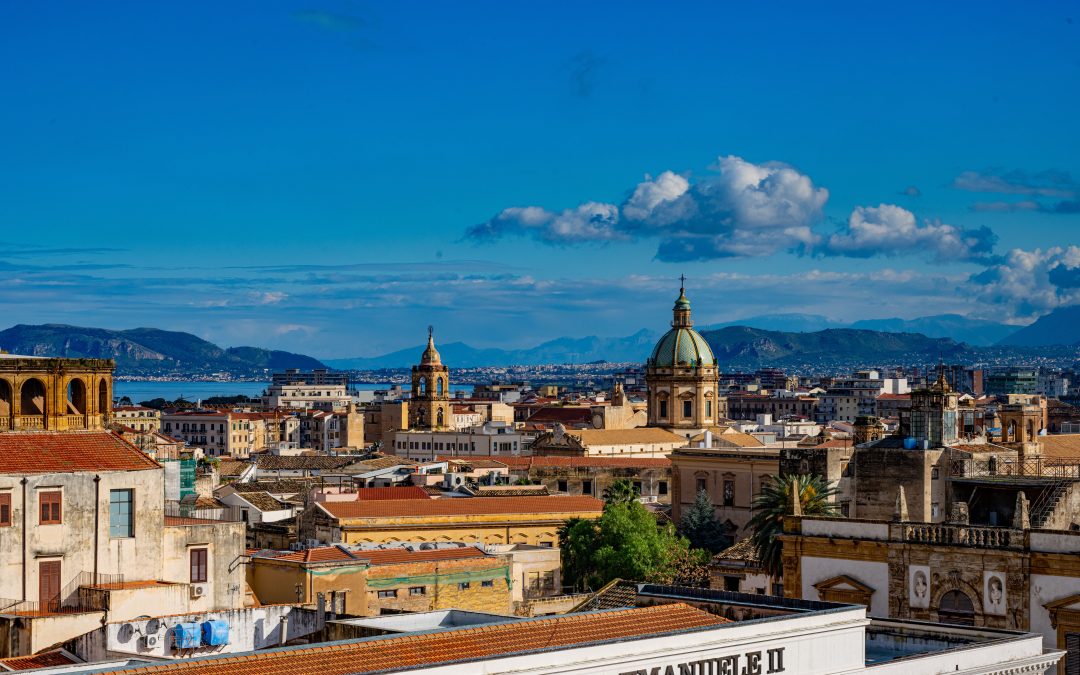
Italy is an easy place to fall in love with—aquamarine coastline, olive groves softly shimmering, wheat fields rolling out toward hill towns that look medieval from a distance and, up close, are teeming with people. And we’ve been to Italy numerous times before, always as tourists who didn’t know anyone and tried to see as much as possible before our vacation clock ran out. But the souvenir I brought home this time wasn’t the postcard scenery. It was something harder to photograph.
The school with no walls
Italy taught our family something every day, and it never once did it from a lectern. There was no lesson plan. Instead, it happened through time spent shoulder to shoulder with people who live and think differently than we do.
Italy is a sort of no-walls school where classrooms are kitchen tables that stretch to fit one more chair, centuries old courtyards decorated by afternoon light or dusky shadows, and porches where nobody’s in a rush to clear the table. There’s no bell to end the period. The lesson simply continues until everyone’s absorbed it.
Memories are made at the table
Every distinct memory I have from this trip involves food. But it’s not what was served that stays with me—it’s who was still sitting there two hours later. In Le Marche, a simple lunch with family and friends turned into an entire afternoon filled with second helpings and stories that wandered and were enjoyed by all despite language barriers. In Assisi, a late lunch with a new friend took place in the back room of a ceramics shop, consisted of a menu of homemade everything—from the pasta and sauce to the wine and even the decorations spanning the walls around us—and ran until the day’s light had faded.
Birthdays, a weekend visit, an ordinary Tuesday—it didn’t seem to matter what the occasion was. The meal was just the excuse to be together. The togetherness was the actual point.
Plenty isn’t about what we have—it’s about who’s around the table
It would be easy to look at those olive groves and wheat fields and think Italy’s abundance is agricultural, or scenery, or something you’d need a certain amount of money to have or properly enjoy. I don’t think that’s it. The plenty I kept encountering—at family tables in Le Marche, in a ceramics shop in Assisi, at a long Sicilian dinner where google translate and pizza were all we needed to share stories, laughs, and perspectives until the restaurant closed around us—had nothing to do with anyone’s bank account. It was made of time. Of people showing up for each other regularly enough that showing up stopped being an event and just became how life worked.
That’s a kind of wealth that doesn’t show up on a balance sheet, and it’s easy to walk right past it if I’m not looking for it.
Beauty that sits and waits for us to notice it
It’s not a coincidence that Italy is the birthplace of the Slow Food movement. The idea began in Rome in 1986, when locals pushed back against a fast-food chain looking to open up shop within sight of the Spanish Steps, and it’s since grown into a global argument for the same instinct: that flavor, connection and understanding can’t be rushed without losing what makes them worth having in the first place. You see it in the two-hour lunch, the evening passeggiata where the whole town seems to walk in slow loops for no reason except to see what’s happening in town and squeeze the last drops out of the night, the meal that just keeps going because no one wants it to end.
Beauty and connection were around us the entire trip. They weren’t hidden or hard to find. They just required us to stop moving quite so fast, to go slow, like the food we enjoyed so much while we were there.
Bringing the lesson home
I didn’t expect the no-walls school to follow us back across an ocean, but there it was yesterday, at my own kitchen table, in teenagers who are usually counting the minutes until they can leave the table and instead stayed at it, unprompted, because the conversation was worth staying for.
I’ll always love discovering new places. But I suspect what I’ll actually remember, years from now, isn’t a single view or a single meal in Italy—it’s the reminder that the treasure was never somewhere else to begin with. It’s the plenty already sitting around our own table, waiting for us to slow down long enough to embrace and enjoy it.

Sign up to get new posts from Healthy Travel Blog directly in your inbox!
About the Author

Lee Lynch
Lee Lynch is an advocacy consultant and founder of Rocket Around, LLC, a content provider that seeks to make adventure—and life—more supportive and fun for neurodiverse families through RocketAround.com, the Rocket Around children’s travel book series and our social channels. She is a passionate advocate for neurodiverse individuals and women’s health issues. In her spare time Lee enjoys hanging with her family and pug Rocket, traveling, reading and listening to and playing music.