
Why Reverse Wintering Is the New Travel Trend
December 11, 2025
By Cassie Drumm
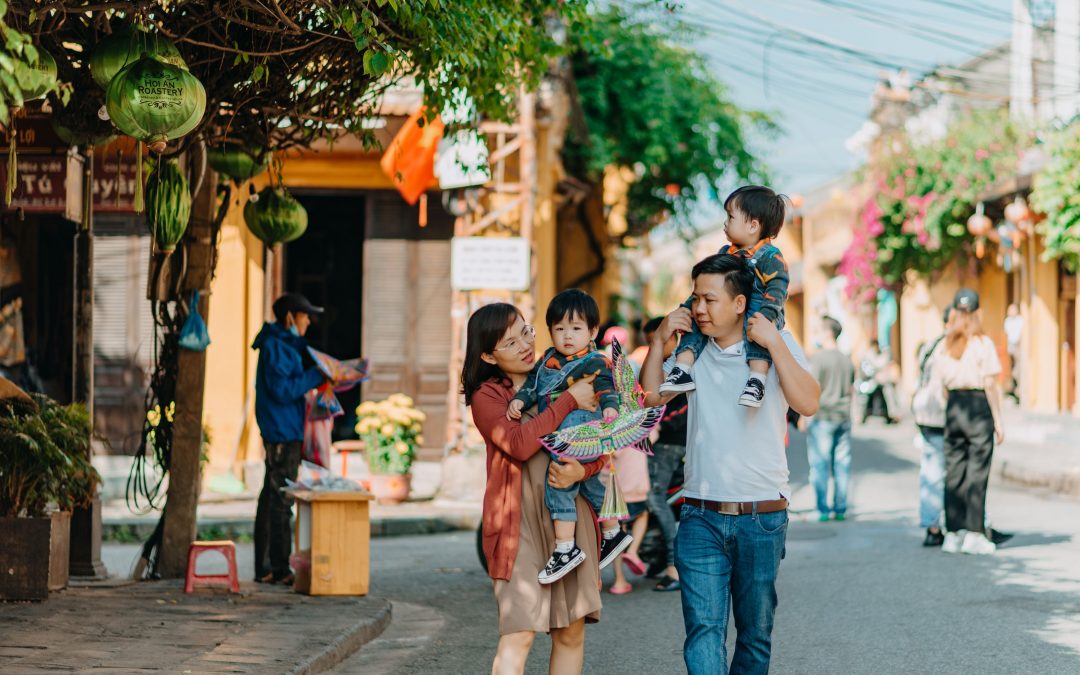
For generations, “snowbirds” have escaped winter by retiring somewhere warm. But in 2026, a new version of that trend is taking shape; one led not by retirees, but by working professionals, families and digital nomads looking to improve their physical and mental health. They’re calling it reverse wintering: instead of taking a one-off sunny vacation, travelers relocate abroad for several weeks or months at the coldest time of year.
This isn’t just about chasing sunshine. It’s a wellness strategy rooted in science, lifestyle design and the increasingly flexible realities of remote work.
Why winter feels so draining in the first place
Winter in many parts of the world brings shorter days, colder temperatures and increased time indoors. These conditions can influence everything from sleep cycles to mental health. Reduced sunlight affects the body’s production of melatonin and serotonin, which play a key role in mood regulation and energy levels. Many travelers also experience heightened stress during winter due to holiday obligations, travel disruptions and illness.
Reverse wintering works because it interrupts these patterns. Changing your environment, especially to a place with more daylight or a slower pace, can reset the body’s rhythms in a meaningful way.
Sunlight: the most powerful reset button
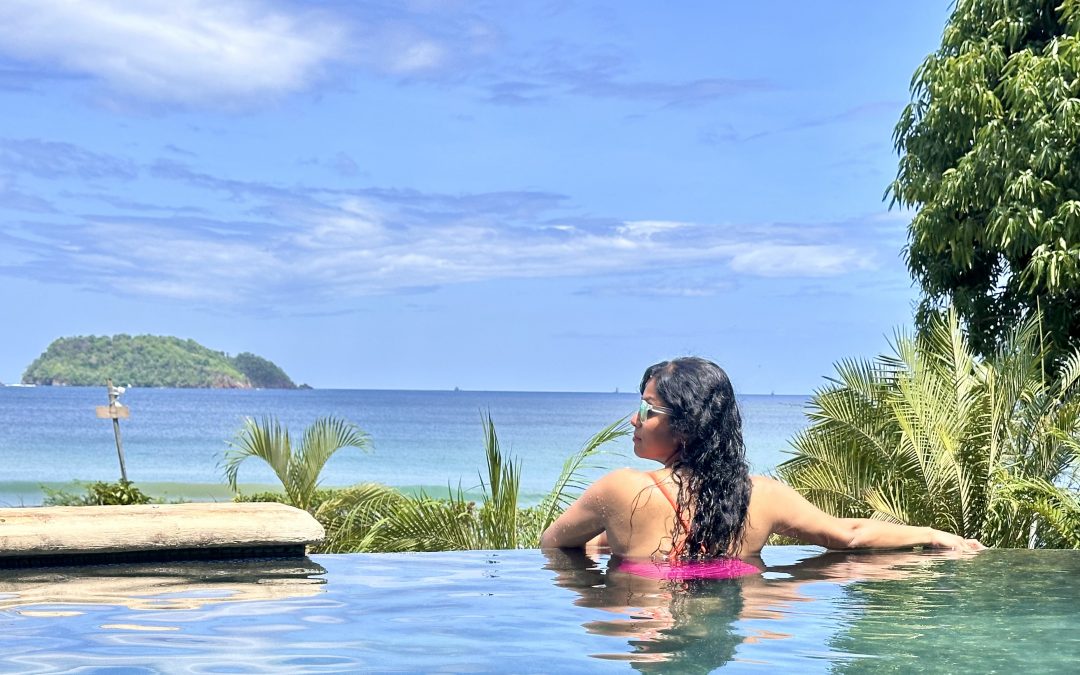
One of the biggest health advantages of reverse wintering is simple: more sun. Sunlight helps regulate the circadian system, supports vitamin D levels and may ease symptoms of seasonal affective disorder (SAD). Even a few days of consistent morning sun exposure can improve sleep quality and boost energy levels.
For remote workers or families traveling long-term, building a routine around morning walks, outdoor meals or daylight breaks can create an entirely different winter experience—one that feels lighter and more spacious.
A chance to stay active instead of hibernating
Colder months tend to reduce physical activity, which can lead to stiffness, reduced metabolism or increased stress. Reverse wintering gives travelers access to outdoor exercise nearly every day: beach walks, swimming, hiking or cycling.
But the wellness benefit goes deeper. When movement is built into daily life instead of squeezed in around weather or daylight, people naturally adopt healthier habits without feeling like they’re trying.
Lifestyle recalibration: the surprising mental health boost
Extended stays abroad allow for something short trips rarely provide: mental decompression. With fewer responsibilities, new surroundings and more time outside, travelers often experience:
- Lower stress levels
- Increased creativity
- Improved focus (once fully adjusted to a new timezone)
- Stronger family bonds or relationship quality
Reverse wintering also encourages slow travel, which involves choosing a temporary home, building routines and engaging with local communities. This structure reduces decision fatigue and offers a sense of belonging that a standard vacation can’t match.
How to reverse winter successfully
- Choose comfort over novelty. A destination with easy transit, walkability and good healthcare infrastructure supports daily well-being.
- Give yourself time to adjust. Jet lag, climate shifts and new routines can take a few days to adjust to. Plan lighter schedules initially.
- Maintain gentle structure. Keep consistent sleep times, prioritize morning light and set work boundaries if you’re remote.
- Build your “third place.” Join a fitness class, find a local café or visit the same market weekly. Familiarity supports mental well-being abroad.
Reverse wintering isn’t about escaping real life—it’s about designing a healthier season. For travelers seeking more sun, more movement, or simply more joy, relocating abroad for a stretch of winter can be transformative. As work and travel continue to evolve, expect this trend to grow—not as indulgence, but as intentional, holistic self-care.

Sign up to get new posts from Healthy Travel Blog directly in your inbox!
About the Author

Cassie Drumm
Cassie is a healthy travel enthusiast and writer at Scribewise who resides in Philadelphia. Her favorite places to travel are anywhere she can be outside, bring her dog, and eat delicious vegan food.